All products are intended for laboratory and research purposes only. Not for human or veterinary use. Not a drug. Not for diagnostic or therapeutic use.
Research Category
Recovery Research Peptides
Recovery Research compounds
Common Questions
Recovery Research FAQ
What peptides are in the Recovery Research category?
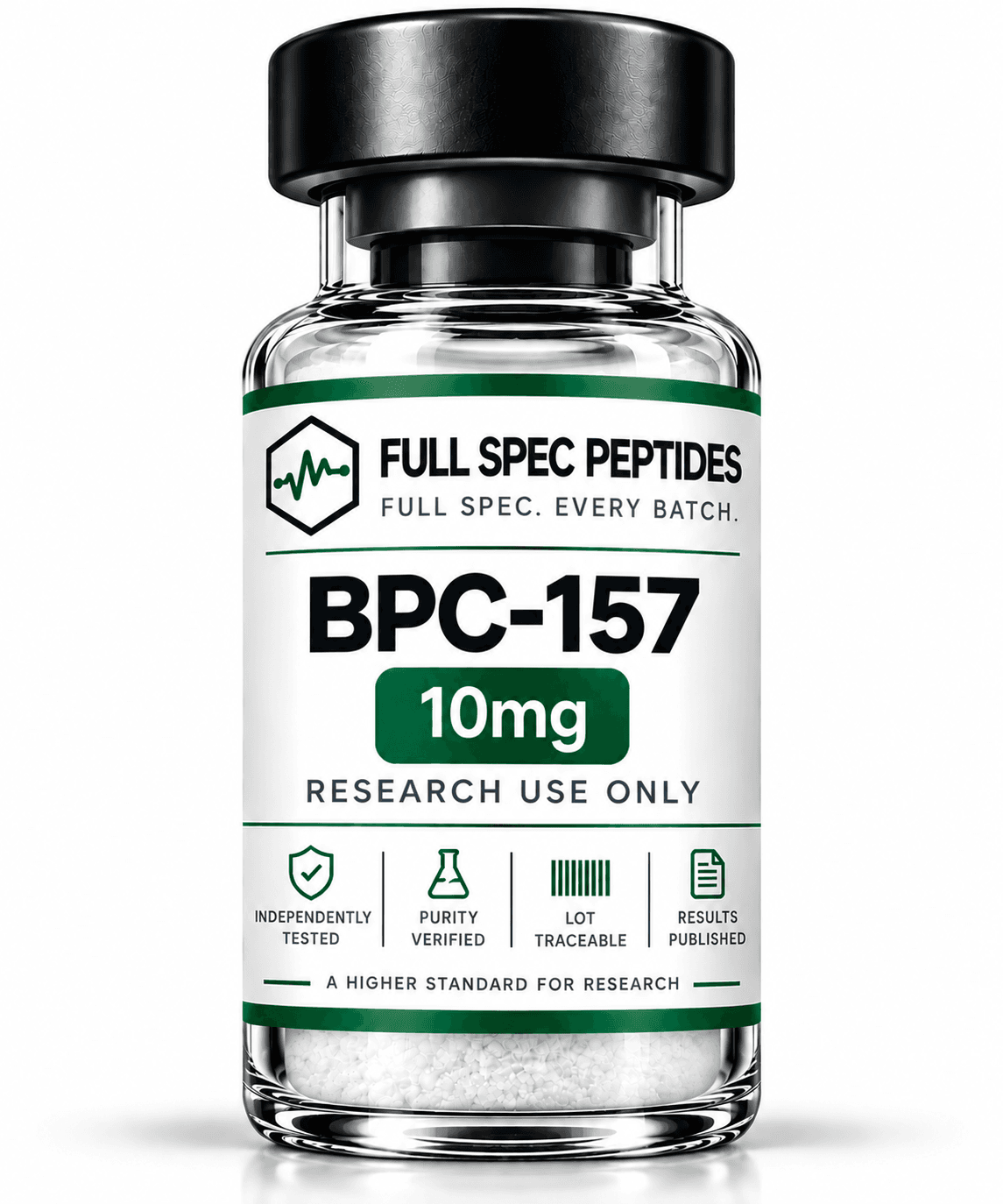
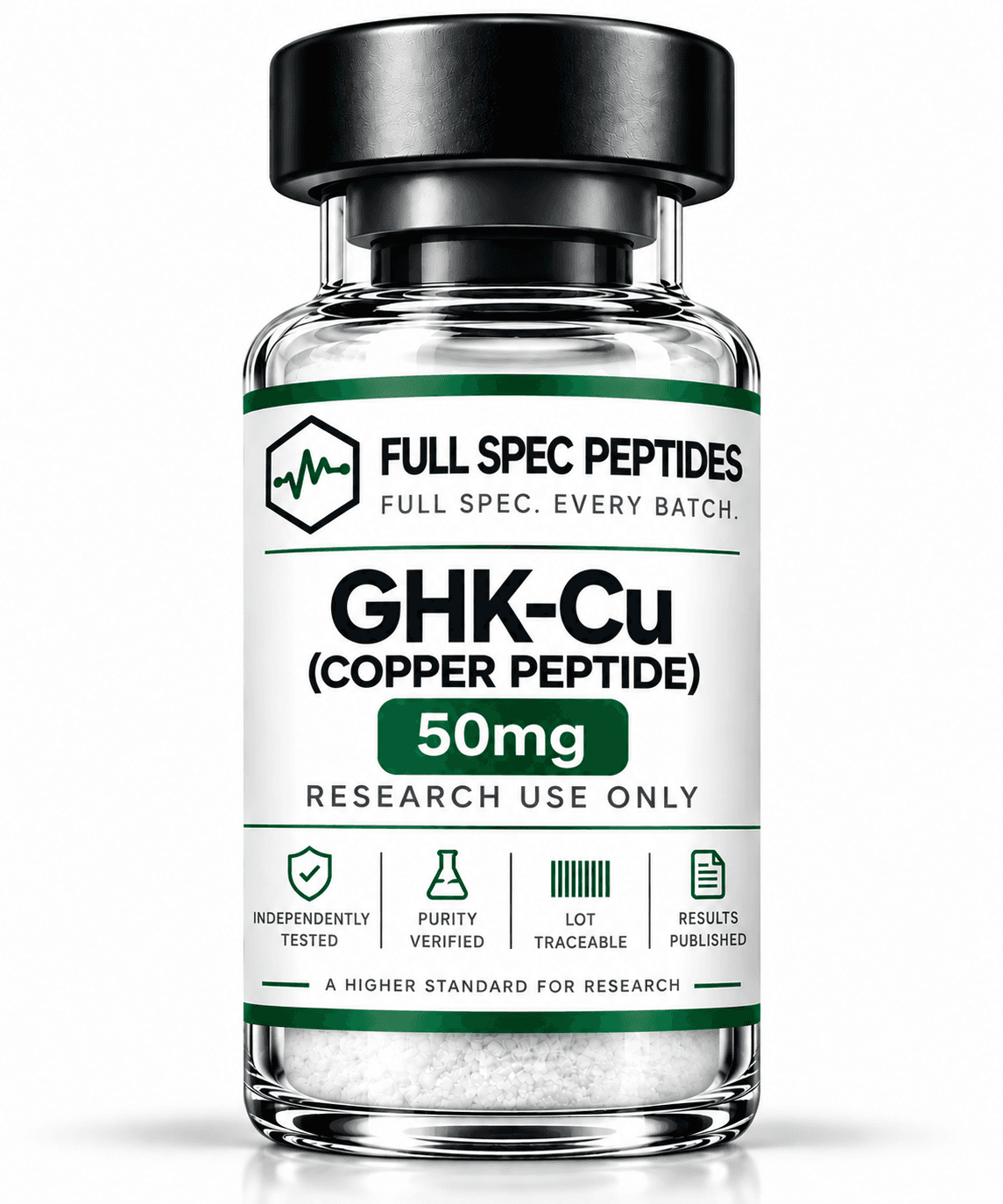
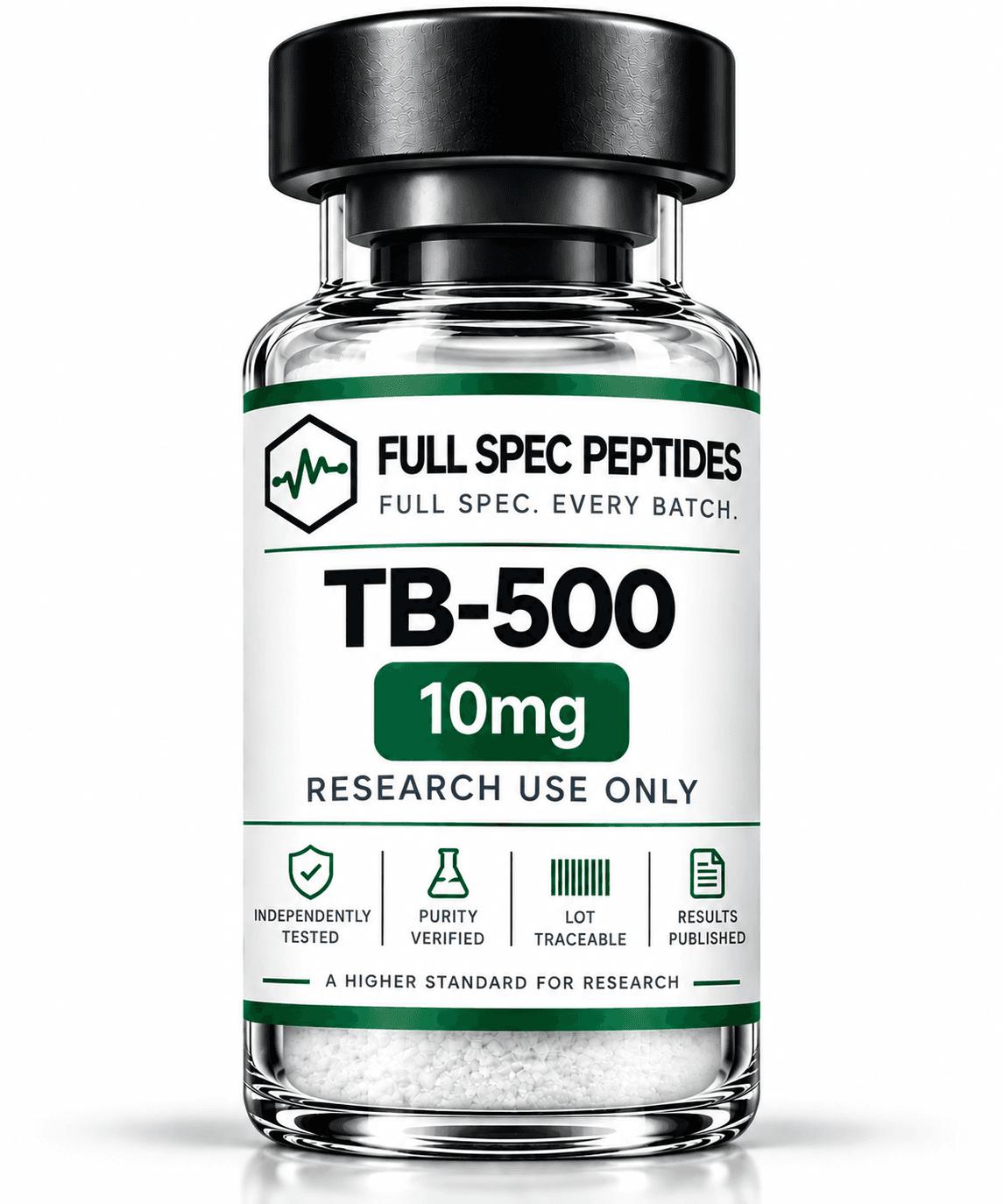
This category covers peptides most commonly referenced in tissue-repair and recovery-related research literature: BPC-157, TB-500, and GHK-Cu (copper peptide).
What’s the difference between BPC-157 and TB-500?
BPC-157 is a synthetic peptide fragment derived from a protective protein found in gastric juice, studied largely in the context of gut and connective-tissue research. TB-500, as specified for this listing, is synthetic full-length Thymosin Beta-4, a naturally occurring 43-amino-acid peptide studied separately in the context of cell migration and tissue research. They’re frequently mentioned together in research literature but are structurally and mechanistically distinct compounds.
What is GHK-Cu?
GHK-Cu (copper peptide) is a naturally occurring copper-binding tripeptide studied in dermatological and tissue-remodeling research contexts. It’s supplied here at 50mg per vial, a larger fill than the 10mg vials used for most of the other peptides in our catalog.
How should Recovery Research peptides be stored?
Store the lyophilized powder frozen, protected from light, until use. Handle and store any prepared material according to your lab protocol.